Underwear and Testosterone: What We Actually Know
Can your underwear affect your testosterone? A plain look at what the research says about heat, synthetic fabrics and hormone-disrupting chemicals, and where the evidence runs out.
By Gattrell Brown · 28 June 2026

When men think about testosterone, they think about the gym, diet, sleep and stress. Rarely does anyone point to their underwear drawer. But the fabric sitting against your skin every single day, in one of the most chemically absorbent areas of the body, is something that deserves far more attention than it gets. It's worth understanding what the research does and doesn't say.
What Testosterone Actually Does
Testosterone is the primary male sex hormone. It regulates muscle mass, bone density, fat distribution, red blood cell production, mood and sex drive. It is also central to sperm production and reproductive health. Levels naturally decline with age, and research suggests environmental and lifestyle factors play a part too.
A widely cited study published in the Journal of Clinical Endocrinology and Metabolism found that average testosterone levels in men have fallen over recent decades. The causes are complex, and endocrine-disrupting chemicals from many everyday sources are among the factors researchers are looking at.
The Problem with Synthetic Fabrics
Most men's underwear is made from polyester, nylon, elastane or a blend of all three. These are petroleum-derived synthetic materials. Two chemicals that come up in research on male hormone health are phthalates and bisphenol A, more commonly known as BPA.
Phthalates are used as plasticisers in some textile prints and coatings, and BPA has been found in some synthetic fabrics, particularly polyester. Both are classed as endocrine disruptors, meaning they can interfere with the body's hormonal signalling system.
The endocrine system works through precise chemical signals. Hormones are produced, released and received by receptors throughout the body in carefully calibrated amounts. Endocrine disrupting chemicals mimic or block these signals, confusing the system and interfering with normal hormone production and regulation.
Why the Groin Matters More Than You Think
The scrotal skin is among the most permeable skin on the male body. Classic studies of transdermal absorption, the process by which substances pass through the skin into the bloodstream, found that the scrotum absorbs some compounds many times more readily than the forearm.
That doesn't mean underwear is delivering meaningful doses of anything, and no study has measured how much, if any, passes from fabric into the body. But it is a reason to think about what sits against that skin all day.
The testes are where the vast majority of testosterone is produced. They are also where sperm is generated. It makes sense to keep them cool and to be thoughtful about what sits closest to them.
Heat and Hormone Production
Heat is the better-understood issue. Tight underwear holds the testes close to the body, and less breathable synthetic fabrics hold on to warmth and moisture more than cotton does.
Scrotal temperature regulation is critical for both sperm production and testosterone synthesis. The testes sit outside the body precisely because they require a temperature slightly below core body temperature to function optimally. Studies that warm the testes by one or two degrees show clear effects on sperm production. The effect of heat on testosterone itself is less clear.
A 2005 study found tight-fitting underwear raised scrotal temperature by around 1°C compared with loose-fitting underwear. It's not a dramatic difference, but it's in the range that heating studies have linked to changes in sperm production.
What the Research Shows
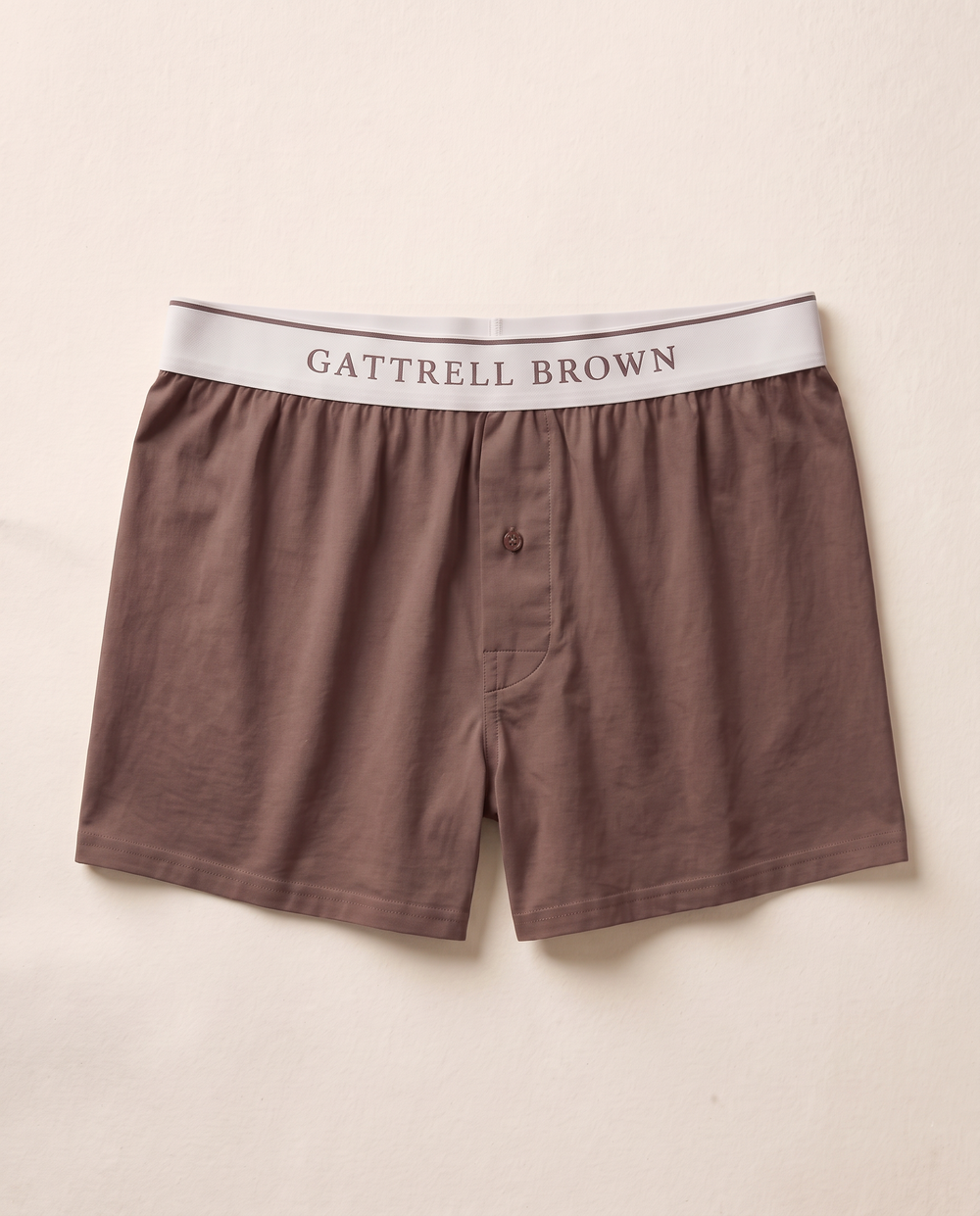
A study published in Human Reproduction in 2018 examined 656 men attending a fertility clinic. Men who mostly wore boxers had, on average, a 25% higher sperm concentration and a 17% higher total sperm count than men who wore tighter styles, along with lower levels of follicle-stimulating hormone. The study looked at fit rather than fabric, and the researchers linked the difference to the extra heat that tighter underwear holds against the body.
Separate research has linked chronic low level phthalate exposure to reduced testosterone levels in men across multiple age groups. A study in Environmental Health Perspectives found an inverse relationship between urinary phthalate concentrations and testosterone levels in adult men, meaning higher chemical exposure corresponded with lower hormone levels.
None of this research shows that underwear affects testosterone directly, and no study has compared cotton and synthetic underwear on hormone levels. The picture is more complex than that. What the evidence does support is keeping things cool, and cutting down on unnecessary exposure to these chemicals where it's easy to do so.
The Cotton Alternative
Cotton addresses both of those in a simple way. It's a natural fibre rather than a plastic one, and it's breathable, so it lets air and moisture through rather than holding heat against you, especially in a looser cut.
Switching to cotton underwear won't undo other lifestyle factors, and sleep, weight, exercise, alcohol and stress all matter more. But for something you wear every day, it's a straightforward change that works with your body rather than against it.
The Broader Picture
Testosterone decline in men is a genuine public health concern. The causes are environmental, dietary and lifestyle related and they are intertwined in ways that are still being fully understood. Reducing exposure to endocrine-disrupting chemicals where it's easy to do so is a sensible precaution.
Your underwear might be the last place you thought to look. But it is also one of the easiest things to change.